We are facilitators, strategists, and collaborative leaders who help groups design, build, and implement shared solutions to complex challenges.
Our Team
From biodiversity conservation and climate science to mineral supply chains and the global energy transition, our team brings expertise across sustainability, natural resource governance, human rights, and public health.
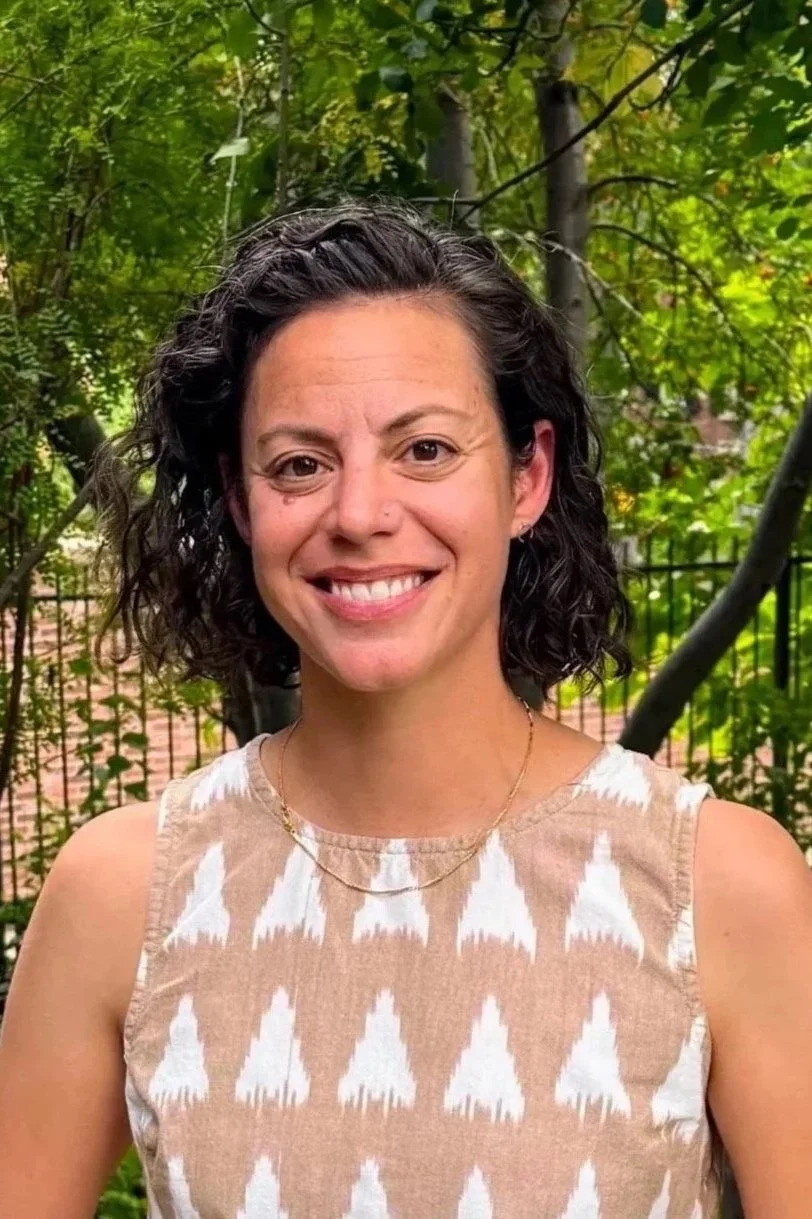
FOUNDING PARTNER
-
Maya is a consensus building professional with 15 years of experience designing and facilitating collaborative, multi-stakeholder initiatives across a wide variety of natural resource, environmental, and public health issues in the U.S. and globally. She guides processes and dialogues that navigate complex and technical questions, bridge cultural divides, engage diverse perspectives, and deliver impactful results. Maya's facilitation, strategic approach, and subject matter expertise empower people to reach durable solutions.
Maya has led collaborative processes with civil society, communities, Tribal nations, governments, and the private sector — experience she honed over more than a decade with the nonprofit RESOLVE. Results include consensus recommendations regarding adaptive management species recovery actions on the Missouri River; a working group to explore and advance shared positions on carbon dioxide removal; state action plans to address PFAS in private drinking wells and biosolids; state crisis standards of care guidelines reflecting community input; official observer appointments to the Climate Investment Funds and Forest Carbon Partnership Facility; and a framework for comparing the environmental impacts of deep sea mining and terrestrial mining. Maya also served for three years as a Peace Corps Volunteer in Fiji, where she organized a local environmental committee, managed community-based marine conservation projects, and facilitated project management trainings. She holds a B.S. in Environmental Science & Policy from University of Maryland, and a Master of Environmental Management from Yale School of the Environment.
When she’s not at her desk, you can find Maya in the garden, walking the trails of Vashon Island, volunteering with the local nature center, or in the studio working on ceramics. Maya is based in Washington State.

FOUNDING PARTNER
-
Taylor is a strategist and facilitator with nearly 20 years of experience guiding companies, communities, governments, and civil society through complex environmental, social, and public health challenges. She brings deep expertise in sustainability, human rights, responsible supply chains, and the just energy transition, with a proven ability to help diverse partners build alignment, manage risk, and design strategies that deliver measurable impact. Known for her facilitative leadership, Taylor has earned the trust of multi-stakeholder coalitions and senior leaders alike, supporting organizations to navigate contentious issues with clarity and shared purpose.
Taylor has led initiatives spanning minerals supply chains, renewable energy, biodiversity, and community health. She has co-developed and scaled a sustainable resources program that quadrupled in size, stewarded over $15M in grants and contracts, trained groups on 6 continents, and designed collaborative grantmaking strategies for philanthropic and corporate coalitions. She has facilitated more than 500 convenings—from local community dialogues to leadership retreats to global multi-sector forums—and has co-developed widely used guidance on free, prior, and informed consent (FPIC) and responsible mineral sourcing. Her portfolio includes supporting social enterprises, advising Fortune 500 companies on ESG priorities, and partnering with governments and NGOs to strengthen governance, equity, and resilience in the energy transition. She holds a B.A. in Philosophy (PoliSci minor) from James Madison University and a M.A. in International Peace & Conflict Resolution from American University.
In her free time, Taylor can be found hiking, experimenting in the kitchen, in her garden listening to an ethics podcast, or crafting with dubious success. She’s based in Washington, D.C.
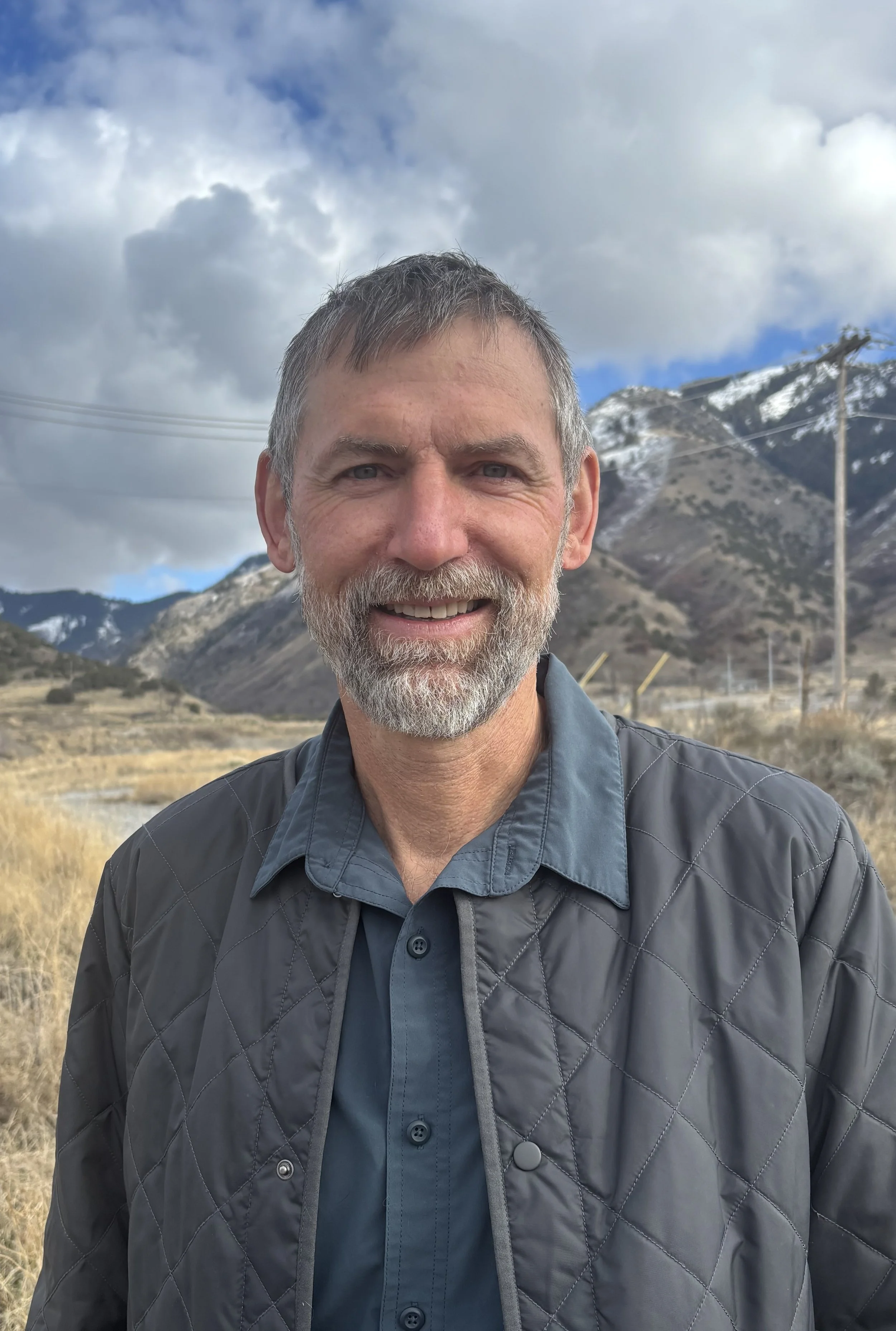
STRATEGIC PARTNER
-
Paul is an expert in outcome-oriented consensus building with over 30 years of experience convening and leading organizational and multi-party efforts to address complex issues and transform opportunities into action. He mediates and facilitates high-stakes site- and issue-specific disputes and brings deep expertise in natural resource management, with emphasis on species conservation and management, deep seabed mining, and energy. His work also spans agriculture, biotechnology, and endocrine disruption. Across these issues, Paul guides groups through the creative thinking and challenging negotiations required to transform shared goals into clear, actionable paths forward. He also leads organizational strategic planning efforts, using analysis, goal development, and agreement around a desired path forward to identify implementation steps and assessment metrics.
Throughout his career, Paul has consistently strengthened decision making for his partners, helping them to produce innovative, implementable solutions. Highlights include a 50-member dialogue group’s consensus report on ecosystem management; a federal advisory committee report that served as the foundation of the EPA’s endocrine disruptor screening and testing program; wolf conservation and management plans developed by advisory committees in Oregon and then a few years later in Washington; a series of consensus recommendations regarding adaptive management species recovery actions on the Missouri River over 15 years; and consensus building workshops and reports around issues associated with development of a mining code for deep seabed mining in areas beyond national jurisdiction. He graduated from the University of Oregon with a degree in economics and earned his Master’s in Natural Resource Policy from the University of Michigan, where he wrote his thesis on environmental dispute settlement.
Paul has lived in Brazil, Canada, England, and all over the United States. He now resides in Logan, Utah with his family. He spends free time coaching and playing ultimate frisbee, and trail running or skiing with his dog.
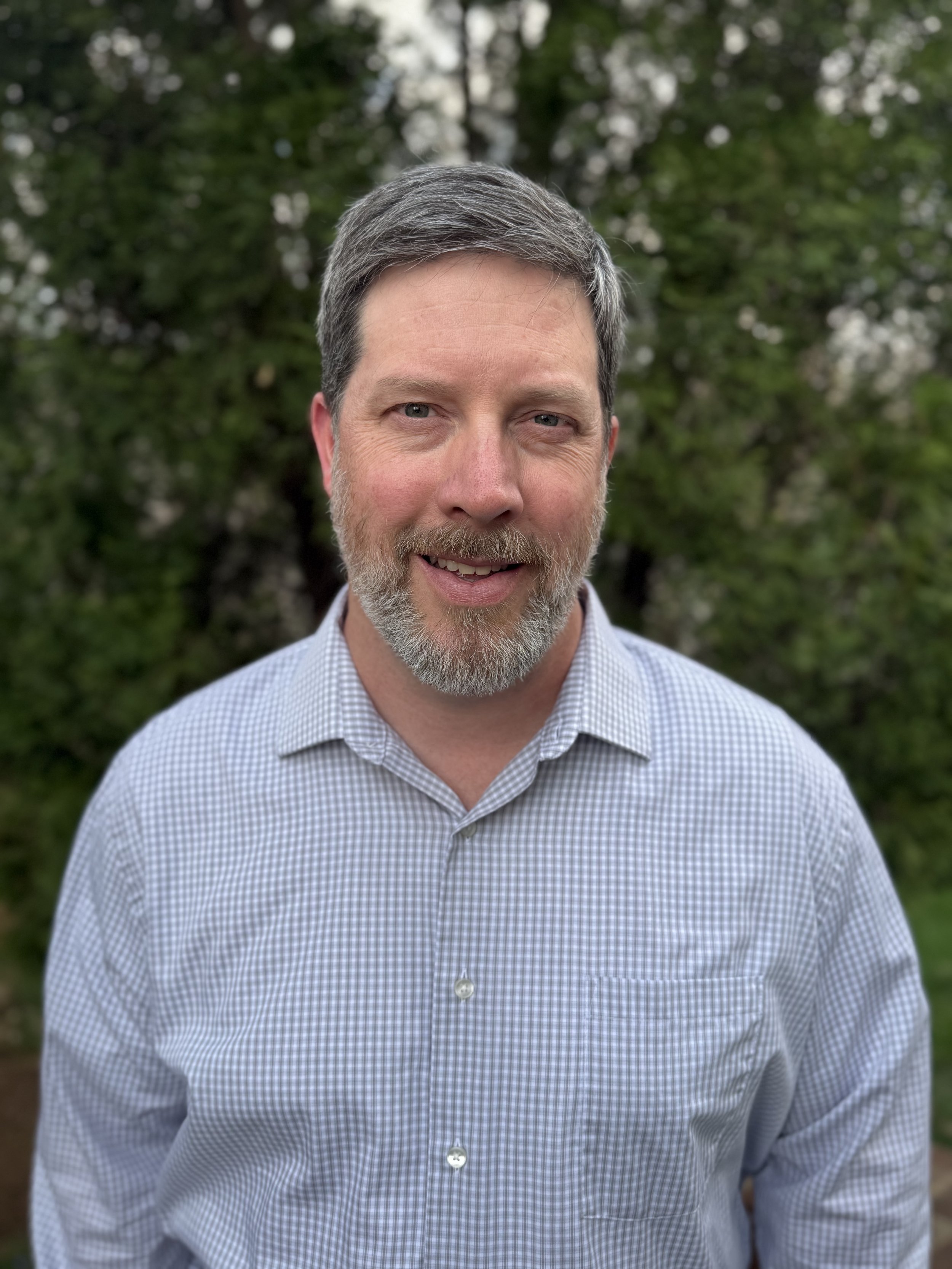
STRATEGIC PARTNER
-
Brad has more than 20 years of experience designing and managing multi-stakeholder collaborations to address complex sustainability challenges and drive systems change. He facilitates strategy development, collaborative problem-solving, and coalition-building for organizations tackling climate change and leading the transition to a nature-positive economy, with a focus on forging novel partnerships and supporting the co-creation of solutions among diverse actors. An active listener and strategic thinker, Brad draws on deep expertise in policy analysis, stakeholder engagement, participatory research, strategic planning, and facilitation to help groups move from dialogue to action.
Brad has driven collaborations on a wide range of issues. His work includes a multi-year initiative on U.S. freshwater management which launched with a consensus call to action and culminated in a seminal capstone report; training and capacity building workshops with EPA's Creating Resilient Water Utilities initiative; a program assessment of the Kresge Foundation's Climate Resilient and Equitable Water Systems (CREWS) Initiative; and strategic plans with the Cornell Lab of Ornithology and Southern Environmental Law Center. More recently, Brad guided the creation of the Nature Crime Alliance; developed the Forests, People, Climate Private Finance Strategy; and facilitated an informal stakeholder dialogue process on the issue of digital sequence information on genetic resources (DSI) which helped Parties to the UN Convention on Biological Diversity agree Decision 16/2 and create the Cali Fund. He graduated from the University of North Carolina at Chapel Hill with a degree in Anthropology and earned a Master's in Cultural Anthropology and Graduate Certificate in Environmental Policy from the University of Colorado Boulder.
Brad resides in Crozet, Virginia with his wife and two children and spends his free time skiing, hiking, seeing live music, and coaching little league baseball.
“I worked with Taylor as a civil society member of a large coalition she led for over a decade. More recently, I sought her expertise to support strategic planning for our social enterprise, Bloom by IMPACT. In both contexts, what stands out is her remarkable ability to build trust across diverse stakeholder groups — including companies, NGOs, and governments — and to make sense of genuinely complex issues and relationships in ways that unlock collaboration, spark innovation, and ultimately deliver meaningful impact.”
- Joanne Lebert, Executive Director, IMPACT